
Featured
Featured



BHM 365
*
BHM 365 *
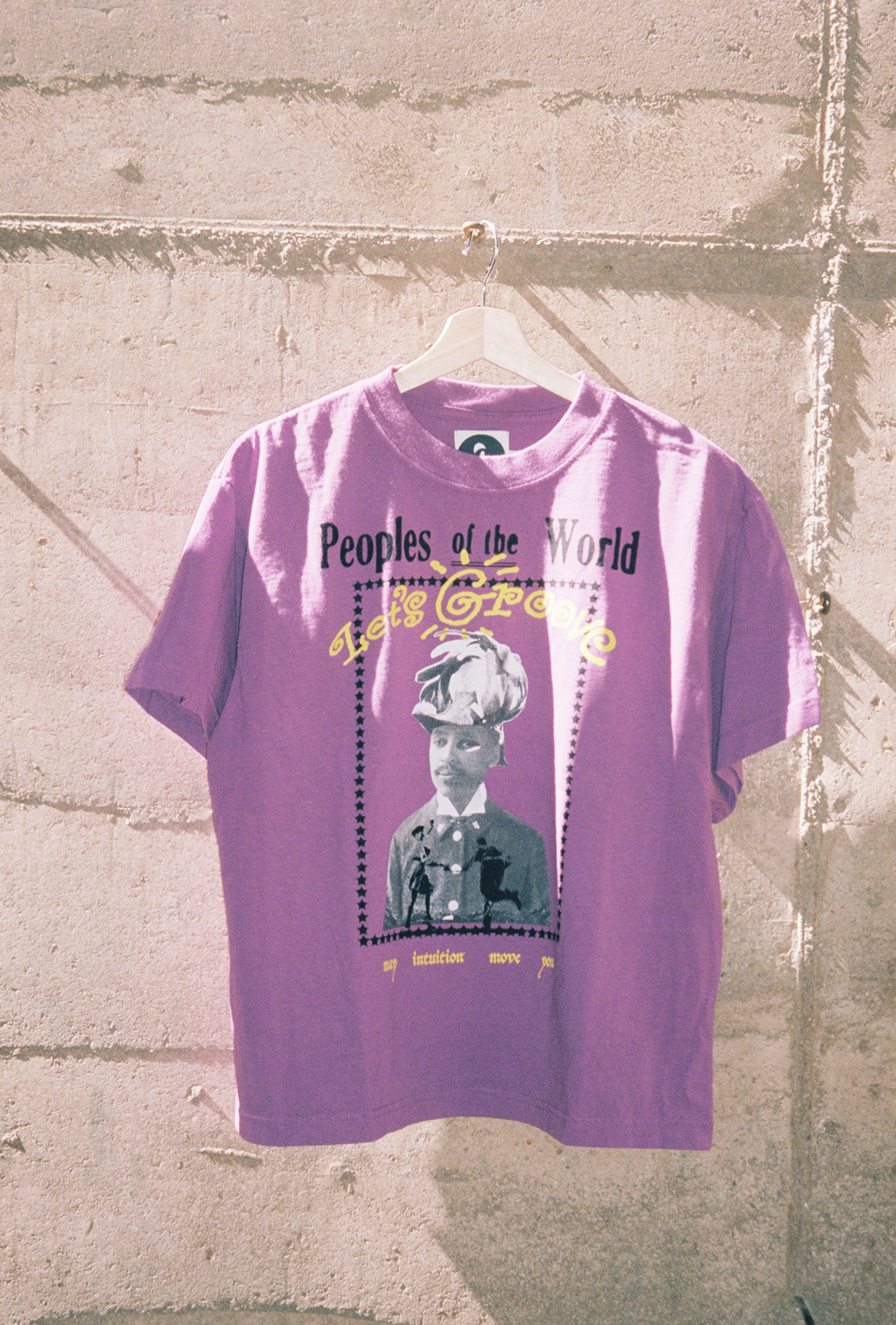
Enjoy 33% off all ITS-IN-SCOPE
garments, applied at checkout

This issue of Shadowbanned Magazine explores grief as both a personal and collective experience—132 pages examining how loss, power, and resistance shape our lives and our politics.
Inside the issue: • Minneapolis Rising — a powerful essay and photo series by photojournalist @wali_talks documenting the city the day after Renée Good was shot in Minneapolis.
• An interview with the designer behind the Indigenous fashion brand @primerrebeldedeamerica on reclaiming identity—and who really needs to “go back where they came from.”
• An investigation from @postp0stpost into Groypers and the online subculture reviving Nazi occult folklore like Agartha.
• A dispatch from @jphillll on the never-ending Cold War.
Contributors:
Nick Pergue
Parham Ghalamder
Mason Harper
Miki Surma
Rohan Zhou-Lee
Ryan Evans
Maya Alinaizi
Hashim Al Hashimi
Wali Khan
Zach Hussein
Myriam Robinson-Puche
Postpostpost
Josh Potash
Interviews with:
Victor Vegas of Primer Rebelde de Americas
Michael Kissling of Abilityforge.net
Cira Pascual Marquinq professor at the Universidad Bolivariana de Venezuela
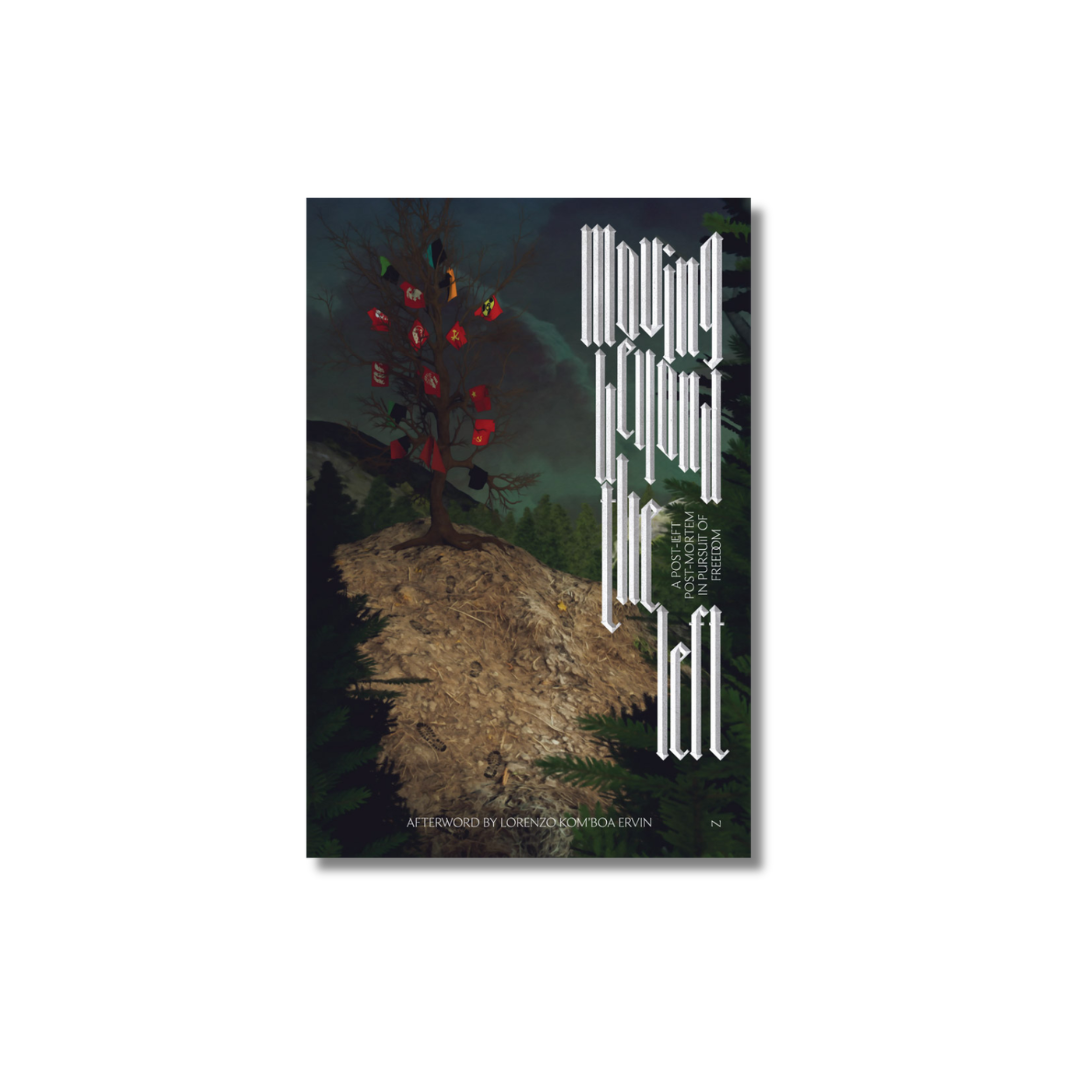
In a time of ideological confusion, growing authoritarianism and ecological collapse, the cyclical failures of Leftist frameworks to address these concerns have left many confused, heartbroken and jaded. While Leftist tendencies have served as vessels for poor or working-class individuals to respond to exploitation and domination, the "organized Left" and the many "revolutionary" lifestylists who associate themselves with it have largely opted for moral judgment over concrete action.
Moving Beyond the Left unpacks and critiques the so-called "revolutionary Left," beginning first with its origins and the history of Black identity in Leftist North American politics, then dissecting interactions between Leftists and the Western morality politics of the "self" and "other." It insists that those who prioritize freedom should work toward a world beyond race, gender and other social constructs if they wish to confront the oppressive systems predicated on their existence
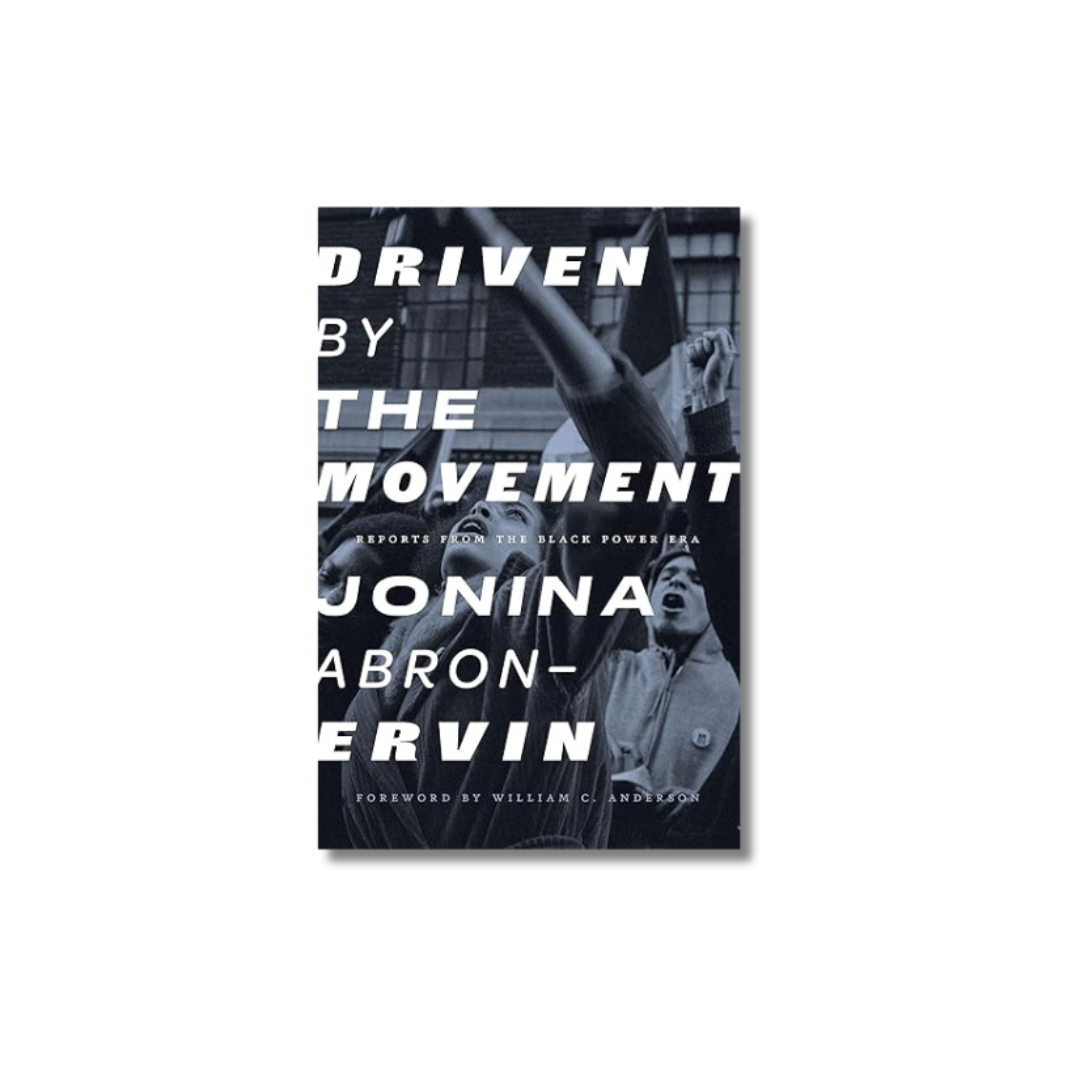
Driven by the Movement collects the stories of twenty ordinary people who did extraordinary things for the Black liberation struggle during the pivotal decade of 1965–1975. These activists came from across the US and all walks of life—single working mothers, clergy, students, teachers, military veterans—to organize against police brutality, poverty, hunger, substandard schools, and colonialism in Africa.
Drawing from her own experience at the heart of the movement, JoNina Abron-Ervin’s on-the-ground reporting offers a rare look into the pragmatism, optimism, compromise, and contradiction and the everyday acts of dedication that animated the Black Power era.
This new edition includes expanded material on the history of the Black Panther newspaper as a source of mass political education and on the Black Panther Party’s legendary survival programs, such as its Free Breakfast for Children and healthcare programs.
A foreword by writer and organizer William C. Anderson connects two torchbearers of the Black radical tradition across generations.
A society born of white supremacy and patriarchy must, by definition, ignore the voices of Black women. We know that unfortunately, such an attitude will also naturally seep into every stratum of that society Part of the contribution to correct that was the centering and airing of Black women’s voices through Some of Us Are Brave: A Black Women’s Radio Program that aired on Pacifica’s Los Angeles radio station (KPFK) from 2003 until 2011. The program covered a myriad of issues by amplifying the voices of a broad cross-section of Black women. Some of those voices have been preserved here in this volume. In addition to capturing various moments in time with a variety of women, this is also a means of taking the intellectual production of and about Black women out of the hands of institutions that are both fundamentally anti-Black and anti-woman. Volume 1 contains interviews under the headings The Shoulders on Which We Stand and Black Lives Have Always Mattered. Volume 2 will cover Black Women’s Health, Bruthas on Sistas, and Sistas in Struggle.
The mystery that launched Gary Phillips’s career: Black private eye Ivan Monk investigates the murder of a Korean shop owner in the aftermath of the 1992 Los Angeles riots.
This reissued edition features an introduction by Walter Mosley.
In 1992, Los Angeles burned. In the aftermath of the Rodney King beating and subsequent riots, a ground-breaking ceremony at the infamous intersection of Florence and Normandie unearths the body of a Korean shop owner. Black private eye Ivan Monk searches for the killer—many suspect the motives for the murder were racial. But then another body turns up, and while the FBI and the Rolling Daltons—the largest gang in the city—dog Monk’s trail, Monk begins to question just how many people will be involved, and how many will die before he can find the truth.
Enjoy 33% off all ITS-IN-SCOPE
garments, applied at checkout
I Cannot Submit to Injustices is a collection of works by Black Puerto Rican revolutionary Martin Sostre. As a founding figure of both the prison abolition movement and contemporary Black anarchism, Sostre’s eminence as a political thinker and tireless activist continues to gain wider recognition.
These texts represent decades of Sostre’s work as an agitator, teacher, and intellectual in the face of intense state repression, including years in solitary confinement as punishment for his activism. While in prison, Sostre established radical study groups and lending libraries, published several revolutionary newspapers, organized chapters of the Black Panther Party, and fought for the rights of incarcerated workers. A self-taught lawyer, Sostre’s strategy was to struggle on the offensive, pressing legal battles that established the constitutional rights of prisoners and refusing to submit to body searches by guards he deemed state-sanctioned sexual assault, for which he was beaten nearly a dozen times. With never-before-published interviews and speeches alongside powerful essays reproduced for the first time since their original publication, this volume offers readers overdue access to Sostre’s ideas about anarchism, armed struggle, and Black liberation in his own words.
A foreword by Lorenzo Kom’boa Ervin (Anarchism and the Black Revolution), who was introduced to anarchism by Sostre while they were imprisoned together, in conversation with William C. Anderson (Nation on No Map), reflects on Martin Sostre’s teachings on Black revolutionary organizing and on his enduring legacy in the Black radical tradition.
“If Attica fell to us in a matter of hours despite it being your most secure maximum security prison-fortress equipped with your latest repressive technology, so shall fall all your fortresses, inside and out. Revolutionary spirit conquers all obstacles.” —Martin Sostre, “The New Prisoner” (1973)